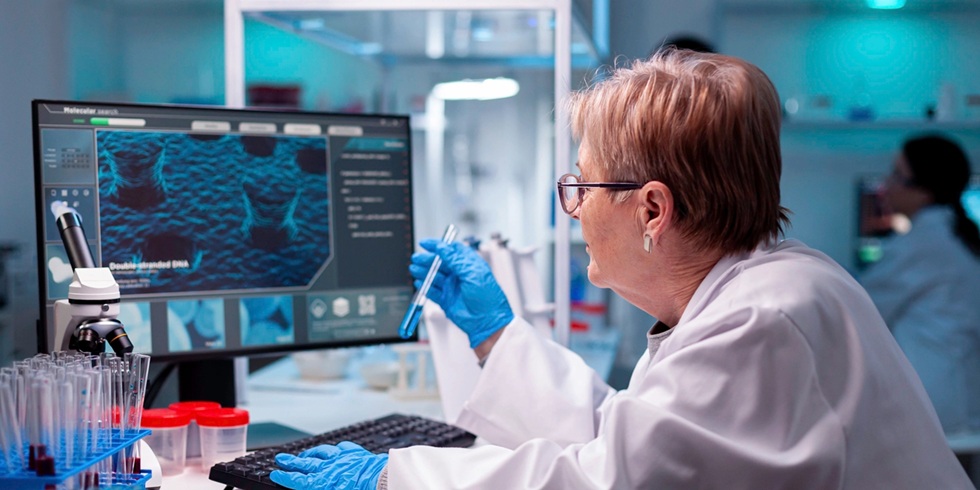
Taking a new treatment and testing it in people is a big step when making new drugs. Early biotech companies and big drug makers feel that they must get new drugs out faster. On the other hand, they have to abide by rigid regulations that have been developed all over the world. In order to do so, they require the proper infrastructure, testing equipment, and knowledgeable scientists.
These businesses perform lab and animal testing to ensure safety and efficacy. Early positive results give researchers the confidence and guidance to proceed before investing in large-scale manufacturing and clinical trials.Working with a well-known preclinical UK CRO lets science companies get the know-how they need. They help make sure rules are followed. Companies can check their best compounds fast with these research businesses. They work with the teams and help lower the risk of things not working.
Understanding the Core Functions of Preclinical Contract Research
Drug discovery in the early stage needs a good reason for using treatments. Contract research partners give clear steps to check if the drug works. They show how it acts in the body. They also check its safety in many tests.
Pharmacokinetics and ADME Profiling
- Absorption: Determining whether the membrane is permeable to the molecule, its movement in the GI tract, and amount that passes through orally.
- Distribution: Assessing the binding capacity of the drug to blood proteins, the distribution of the drug in the tissues, and whether the drug crosses the CNS barrier.
Safety Pharmacology and Toxicology
Before testing a molecule in people, labs check its safety. They must follow Good Laboratory Practice rules. A safety team looks to see if the molecule can affect the heart, the lungs, or the brain. Tests help find the safe amount to use.
Strategic Implementation: Bridging Hit Identification to IND Filing
Getting through the early drug pipeline needs a step-by-step plan. There should be clear spots to see if things are going right. If you miss steps to see how things are going, it can cause trouble after. This happens many times in clinical trials and can make work feel like it does not pay off at the end.
1. Target Validation and Assay Customization
Making the right biological tests is the first step for any study. People in the lab set up cell-based tests. They also check how things bind with biochemistry, and they build models to see what happens in the body. Each test is made so it fits what we know about a disease. High-throughput platforms let them check many compounds from the library in less time.
2. Lead Optimization and Translational Biomarkers
When there are good results, the team moves on to use chemistry. They keep testing with the living things. They choose PD markers to check if the target is working right away. By making sure the drug in the tissue lines up with the changes in the body, the models that come next will give results we can see and use.
3. GLP Toxicology Package Assembly
The last thing you do in preclinical research is to make sure you have sets of data that can pass an audit from world groups. You have to keep all details on how each study is done. The files must show plans for how people check the tests, and also how they save the data.
Data Reproducibility and Quality Assurance
Scientific reproducibility is still one of the biggest problems in translational medicine. A good partner will have Quality Assurance (QA) teams that use the same GLP and non-GLP guidelines. It is important to see that a partner uses trusted tools, automatic data capture systems, and well-known biological products.
Model Selection and Clinical Relevance
Choosing the right models for this work helps us know if lab results will be the same for people. If you use single-cell systems too much, you can miss how things work together in the body. Adding new models, like primary human cell co-cultures, organoids, and microfluidic organ-on-a-chip systems, to old ways helps us get better results for difficult disease paths.
Intellectual Property and Communication Protocols
- IP Protection: Clear contract words make sure the client has all new ideas, plans, and made data.
- Milestone Alignment: Set go/no-go points by looking at numbers from stats, not just stick to a set time.
Accelerating Pipeline Success Through Strategic Partnerships
Taking new ideas about living things and making them into real treatments needs good science, knowing the rules, and smart use of resources. If you work with a preclinical UK CRO that has the right skills, the latest test methods, and strong quality standards, you can lower risk and make the move to people studies easier.